7 Warning Signs Your Home Needs to Be Rewired
Your home's electrical system works hard every single day — powering your lights, appliances, devices, and everything in between. But like most things, electrical wiring doesn't last forever. As your home ages, its wiring can become outdated, overloaded, or just plain dangerous without you ever realizing it.
The scary part? Faulty wiring is one of the leading causes of house fires in the U.S. The good news is that your home will usually give you warning signs before things get serious — you just need to know what to look for.
Here are 7 signs that your home may be due for a rewire, and what to do about it.
1. Your Circuit Breakers Trip All the Time
The occasional tripped breaker is normal. But if you find yourself constantly resetting breakers — especially when running everyday appliances like a microwave, hair dryer, or vacuum — that's your electrical system telling you it's struggling to keep up.
Modern households use far more electricity than homes were designed for 30 or 40 years ago. An older system that can't handle today's power demands is not just an inconvenience, it's a safety issue. Repeated overloading can overheat wires and create fire risks inside your walls where you can't see them.
2. Lights That Flicker or Dim
Do your lights flicker when you turn on the dishwasher? Does the living room dim when the AC kicks on? These are classic signs that your wiring can't supply enough power to handle multiple loads at once.
A little occasional dimming isn't always cause for alarm, but if it's happening regularly or getting worse over time, it's worth having an electrician take a look. It could point to loose wiring connections, an undersized circuit, or an overloaded panel — all of which are worth addressing sooner rather than later.
3. Burning Smells or Discolored Outlets
This one is serious. If you notice a burning smell near an outlet, switch, or your electrical panel — or if you see outlets or switch plates that look brown, black, or scorched — stop using that outlet immediately and call an electrician.
Discoloration is a sign that wiring behind the wall has been overheating or arcing (producing small electrical sparks). This is a direct fire hazard and not something to put off. If the smell is strong or you see visible scorch marks, don't wait — call right away.
4. Your Home Has Old Wiring Materials
If your home was built before the 1970s and hasn't been rewired since, there's a good chance it has one of two types of wiring that are no longer considered safe by modern standards:
Knob-and-tube wiring was common in homes built before the 1940s. It lacks a ground wire, can't support modern electrical loads, and tends to become brittle and cracked with age.
Aluminum wiring was widely used in the 1960s and early 70s as a cheaper alternative to copper. The problem is that aluminum expands and contracts more than copper, which can cause connections to loosen over time and create fire hazards at outlets and switches.
If you're not sure what type of wiring your home has, an electrician can check for you. Many home insurance companies also require an inspection or upgrade before they'll cover homes with these older wiring types.
5. Frequent Power Surges
The occasional power surge from a lightning strike or utility issue is normal. But if you're experiencing frequent surges — even small ones that cause your lights to flicker or your electronics to restart — the problem may be coming from inside your home.
Internal power surges are often caused by faulty wiring, a failing appliance, or an overtaxed electrical system. Over time, repeated surges can shorten the lifespan of your electronics and appliances, and they can also indicate wiring problems that pose a bigger risk down the line.
6. You Have an Outdated Fuse Box or Panel
Older homes sometimes still have the original fuse box rather than a modern circuit breaker panel. While fuse boxes aren't inherently dangerous, they often lack modern safety features like arc fault circuit interrupters (AFCIs) and ground fault circuit interrupters (GFCIs), which are designed to prevent fires and electrocution.
Even if your home has a breaker panel, if it's more than 25–30 years old or you're constantly running out of space for circuits, it may be time for an upgrade. A modern panel gives your home the capacity and safety features needed for today's electrical demands.
7. You're Planning a Major Renovation
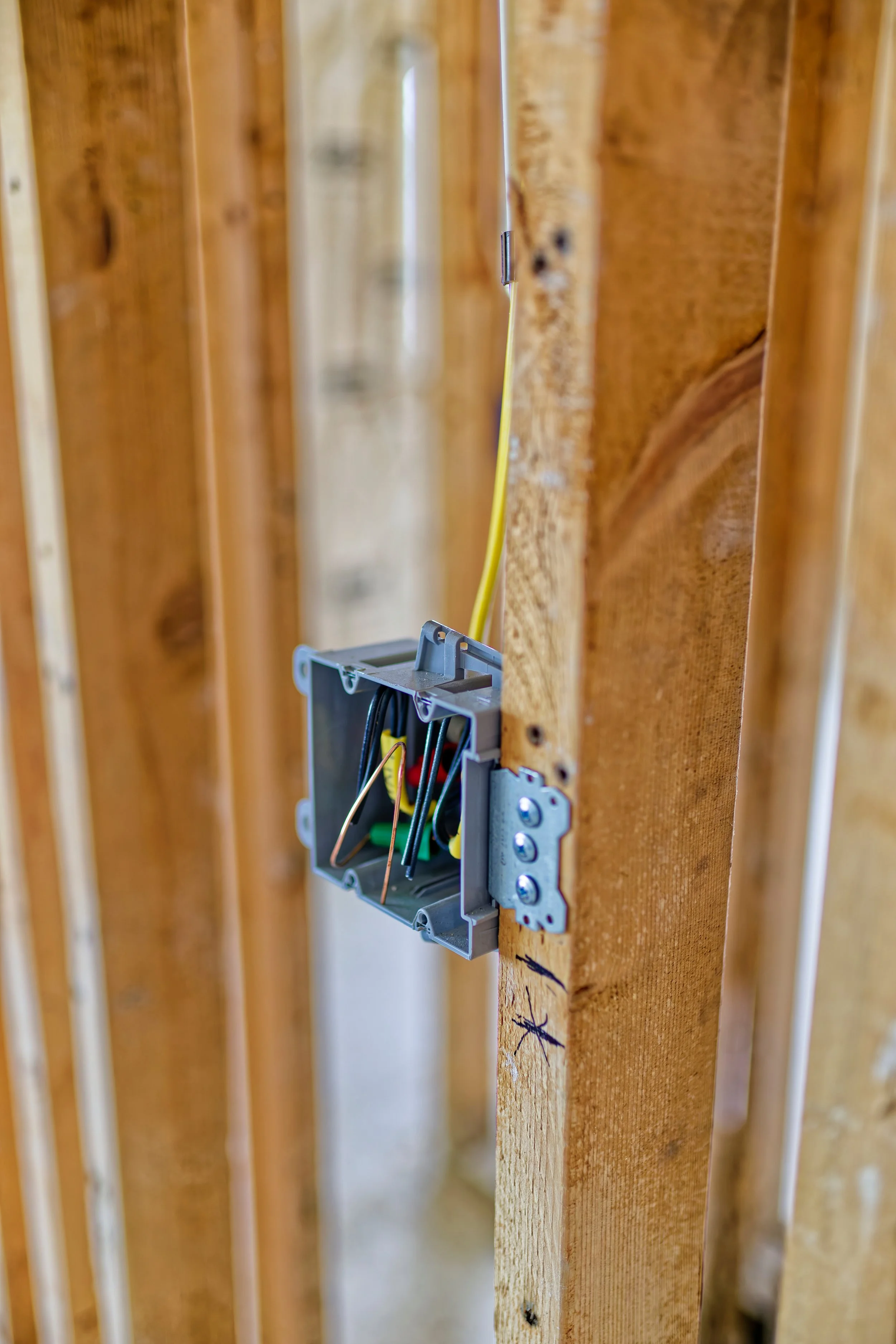
If you're adding a room, finishing a basement, remodeling a kitchen, or making any other significant changes to your home, it's the perfect time to assess your electrical system. Renovations often increase your home's power demands, and opening up walls gives electricians easy access to inspect and upgrade wiring before everything gets closed back up.
Addressing your electrical system during a renovation is almost always cheaper and less disruptive than doing it as a separate project later — so it's worth planning for upfront.
So What Should You Do?
If any of these signs sound familiar, the most important thing is not to ignore them. Electrical problems don't fix themselves, and they tend to get worse — and more expensive — the longer they're left alone.
A licensed electrician can inspect your home's wiring, identify any problem areas, and give you a clear picture of what needs to be done. In many cases, only a partial rewire is needed rather than a full replacement, which can keep costs manageable.
Don't wait until there's a bigger problem. If something feels off with your home's electrical system, trust your instincts and get it checked out.
Call Us for a Free Home Electrical Assessment
We help homeowners throughout the area identify and fix electrical issues before they become serious hazards. Whether you've noticed one of the signs above or just want peace of mind, we're happy to take a look.
Call us today for a free quote. We'll give you an honest assessment of your home's wiring and walk you through your options — no pressure, no surprises.
Your family's safety is worth a phone call.